

Introduction
Your immune system is your body’s 24/7 defense force — a complex, intelligent network of cells, tissues, and organs working tirelessly to protect you from viruses, bacteria, and disease. Yet most of us only think about immunity when we’re already sick, reaching for vitamin C tablets after a cold has already taken hold.
The truth is, building a strong immune system isn’t about a single magic pill or overnight fix. It’s a lifestyle. And the good news? Science has given us a clear roadmap.
timeshealthmag.com share a guide, we’ll walk you through 12 proven, natural strategies to strengthen your immune system from what you eat and how you sleep, to how you manage stress and move your body. Whether you’re constantly falling sick or simply want to stay at your healthiest, these evidence-based tips will help your body defend itself better, all year long.
What Is the Immune System and Why Does It Need Your Help?
Before diving into the strategies, it helps to understand what you’re working with.
Your immune system is made up of two main branches:
- The innate immune system — your first line of defense, which responds immediately to foreign invaders.
- The adaptive immune system — a smarter, slower system that “learns” from past infections and builds memory (the basis of how vaccines work).
Supporting this system isn’t just about fighting the flu. A well-functioning immune system also reduces chronic inflammation — the root cause of conditions like heart disease, type 2 diabetes, and even certain cancers.
So when you invest in your immunity, you’re investing in your long-term health.
12 Science-Backed Ways to Boost Your Immune System Naturally
1. 🥦 Eat a Rainbow of Whole Foods
The most powerful thing you can do for your immune system is eat real, nutrient-dense food. A diet rich in fruits, vegetables, whole grains, lean proteins, and healthy fats provides your immune cells with the fuel they need to function optimally.
Research consistently shows that micronutrient deficiencies — particularly in vitamins A, C, D, E, and zinc — directly impair immune function. Eating a colorful variety of produce ensures you cover your bases naturally.
Quick tip: Aim for at least 5 different colored vegetables and fruits per day. Each color represents a different set of phytonutrients with unique immune benefits.
2. 🍊 Prioritize Vitamin C and Zinc
These two nutrients deserve special mention. Vitamin C is a potent antioxidant that supports the production and function of white blood cells — your immune army. Zinc is essential for immune cell development and inflammatory response.
Studies show that vitamin C supplementation can reduce the duration of common colds, while zinc deficiency is linked to increased susceptibility to infections.
Best food sources:
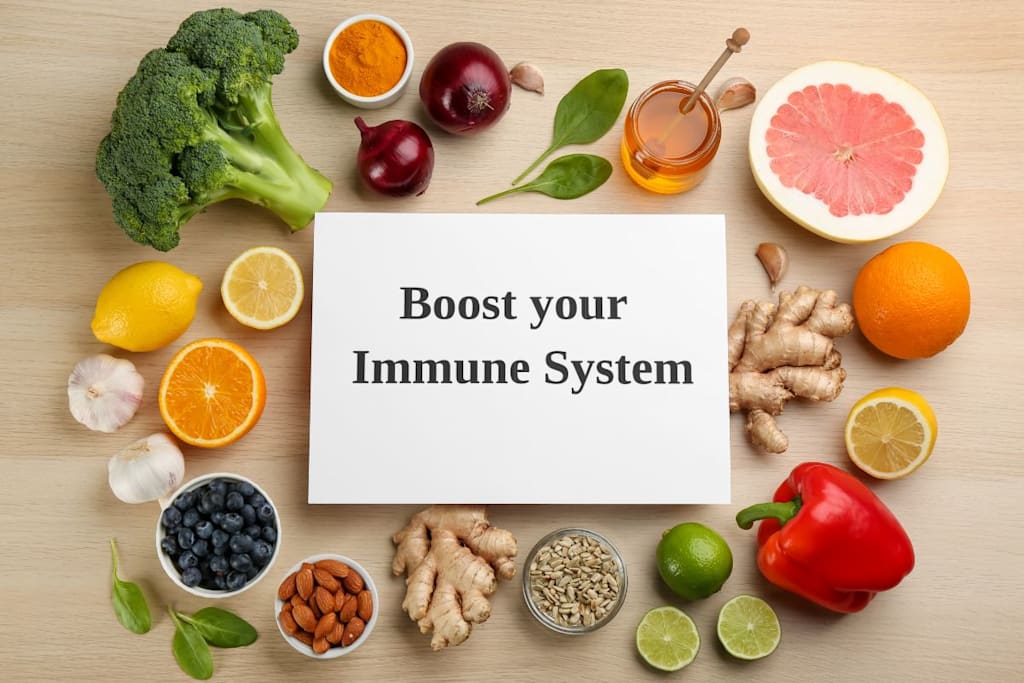
- Vitamin C: Bell peppers, kiwi, strawberries, broccoli, citrus fruits
- Zinc: Pumpkin seeds, chickpeas, lentils, cashews, red meat, oysters
3. 🦠 Optimize Your Gut Health
Here’s a fact that might surprise you: 70% of your immune system lives in your gut.
Your gastrointestinal tract is home to trillions of microorganisms — collectively called the gut microbiome — that play a direct role in regulating immune responses. A diverse, healthy microbiome helps the body distinguish between harmful pathogens and harmless particles.
To support gut health:
- Eat probiotic-rich foods like yogurt, kefir, sauerkraut, and kimchi
- Include prebiotic fiber from garlic, onions, bananas, and oats — these feed your good bacteria
- Reduce antibiotic use when not medically necessary, as they disrupt microbial balance
4. 😴 Get 7–9 Hours of Quality Sleep
Sleep is not a luxury — it’s an immune requirement. During sleep, your body produces and releases cytokines, proteins that target infection and inflammation. Chronic sleep deprivation suppresses this process dramatically.
A landmark study found that people who slept fewer than 6 hours a night were 4 times more likely to catch a cold when exposed to the virus, compared to those who slept 7 or more hours.
Sleep hygiene tips:
- Stick to a consistent sleep-wake schedule
- Keep your bedroom cool, dark, and screen-free
- Avoid caffeine after 2 PM
- Wind down with a relaxing routine before bed
5. 🏃 Exercise Regularly (But Not Too Much)
Moderate exercise is a natural immune booster. It improves circulation (allowing immune cells to move freely through the body), reduces inflammation, and supports healthy body weight — all of which directly benefit immunity.
Studies show that people who exercise moderately for 30–60 minutes most days experience fewer and shorter illnesses.
However, there’s an important caveat: over-exercising without adequate recovery can actually suppress immunity. Elite athletes often fall sick after intense competitions for this exact reason.
Aim for: 150 minutes of moderate-intensity activity per week — walking, cycling, swimming, yoga, or strength training.
6. 🧘 Manage Chronic Stress
Stress is the silent immune killer. When you’re chronically stressed, your body pumps out cortisol, a hormone that, over time, suppresses the immune system’s ability to fight off antigens.
Research from Ohio State University found that psychological stress significantly increases susceptibility to the common cold and slows wound healing.
Effective stress management strategies:
- Mindfulness meditation (even 10 minutes a day helps)
- Deep breathing exercises
- Journaling
- Social connection and talking to loved ones
- Spending time in nature
7. 💧 Stay Hydrated
Water is essential for almost every bodily function — including immunity. It supports the production of lymph, a fluid that carries white blood cells throughout the body. Dehydration reduces the efficiency of this system.
Proper hydration also keeps the mucous membranes in your nose, throat, and lungs moist — your first physical barrier against pathogens.
How much? The general recommendation is 8 glasses (2 liters) per day, but needs vary based on activity level, climate, and body size. A simple gauge: your urine should be pale yellow.
8. 🚫 Limit Sugar and Ultra-Processed Foods
This one is often overlooked. Studies show that consuming 75–100 grams of sugar can suppress the activity of neutrophils (immune cells that engulf bacteria) for up to 5 hours after ingestion.
Ultra-processed foods — chips, packaged snacks, fast food — are loaded with refined sugars, unhealthy fats, and additives that promote chronic inflammation, weakening your immune defenses over time.
Swap for: Whole fruit for sweetness, nuts and seeds for snacks, home-cooked meals using real ingredients.
9. ☀️ Get Enough Vitamin D
Often called the “sunshine vitamin,” Vitamin D is one of the most critical — and commonly deficient — nutrients for immune function. It activates immune cells and reduces the risk of respiratory infections.
Studies have linked low vitamin D levels to increased risk of flu, COVID-19 severity, and autoimmune conditions.
Sources of Vitamin D:
- Sunlight exposure (15–30 minutes on bare skin daily)
- Fatty fish (salmon, mackerel, sardines)
- Egg yolks, fortified dairy, and cereals
- Supplements (1,000–2,000 IU daily is commonly recommended — check with your doctor)
10. 🌿 Try Immune-Boosting Herbs and Supplements
Certain herbs have been used for centuries to support immunity — and modern science is beginning to validate many of these claims.
Evidence-backed options include:
- Elderberry (Sambucus nigra): Multiple studies show it can reduce cold and flu duration by 2–4 days
- Echinacea: May reduce the frequency and severity of colds
- Ashwagandha: An adaptogen that lowers cortisol and enhances immune response
- Turmeric (Curcumin): Powerful anti-inflammatory that supports immune regulation
- Garlic: Contains allicin, a compound with proven antimicrobial and immune-stimulating properties
Always consult your healthcare provider before starting any supplement, especially if you take medications.
11. ⚖️ Maintain a Healthy Weight
Obesity is directly linked to impaired immune function. Excess fat tissue especially visceral fat around the organs — produces inflammatory chemicals (adipokines) that chronically dysregulate the immune system.
Maintaining a healthy body weight through balanced nutrition and regular exercise is one of the most significant long-term strategies for robust immunity.
12. 🚭 Avoid Smoking and Limit Alcohol
Smoking damages the immune system in multiple ways — it destroys cilia (hair-like structures in the respiratory tract that trap pathogens), reduces antioxidant levels, and impairs immune cell function. Smokers are dramatically more susceptible to pneumonia, flu, and other infections.
Alcohol, especially in excess, disrupts the gut microbiome, impairs white blood cell production, and reduces the body’s ability to fight off infection. Even moderate drinking can blunt the immune response.
If you smoke, quitting is the single best health decision you can make. If you drink, keep it to recommended limits: no more than 1 drink/day for women and 2 for men.
🥗 Top Immune-Boosting Foods at a Glance
| Food | Key Immune Nutrient | Benefit |
|---|---|---|
| Bell peppers | Vitamin C | Antioxidant; supports white blood cells |
| Garlic | Allicin | Antimicrobial; anti-inflammatory |
| Ginger | Gingerol | Reduces inflammation and nausea |
| Spinach | Vitamins A, C, E + antioxidants | Multi-nutrient immune support |
| Yogurt | Probiotics | Gut health; activates immune cells |
| Almonds | Vitamin E | Immune cell protection |
| Turmeric | Curcumin | Anti-inflammatory, antioxidant |
| Green tea | EGCG (catechins) | Immune cell enhancement |
| Salmon | Vitamin D + Omega-3 | Immune regulation, inflammation control |
| Blueberries | Flavonoids | Protect respiratory tract |
Common Myths About Boosting Immunity
Myth 1: “Taking extra vitamin C will prevent you from getting sick.”
Reality: Vitamin C won’t prevent illness, but it can reduce severity and duration when taken regularly.
Myth 2: “Cold weather directly causes colds.”
Reality: Cold viruses spread more easily in dry, cold air and when people spend more time indoors — the cold itself doesn’t “give” you a cold.
Myth 3: “If you eat healthy, you’ll never get sick.”
Reality: Even healthy people get sick. A good lifestyle reduces frequency and severity — it doesn’t make you invincible.
Myth 4: “More supplements = stronger immunity.”
Reality: Over-supplementation can actually disrupt immune balance. Food-first is always the best approach.
When to See a Doctor
Natural strategies are powerful, but they have limits. See a healthcare provider if you:
- Get sick more than 4–6 times per year
- Experience unusually severe or prolonged infections
- Have persistent fatigue, unexplained weight loss, or recurring fevers
- Notice slow wound healing
These may be signs of an underlying immune disorder that requires medical evaluation.
Conclusion
Boosting your immune system naturally is not about one miracle cure — it’s about building a lifestyle that consistently gives your body what it needs to protect itself. Eat real food, sleep well, move your body, manage stress, stay hydrated, and avoid habits that undermine your defenses.
Start with two or three changes this week. Small, consistent actions compound into powerful long-term health.
Your immune system is always working for you — it’s time to work for it.