
Introduction
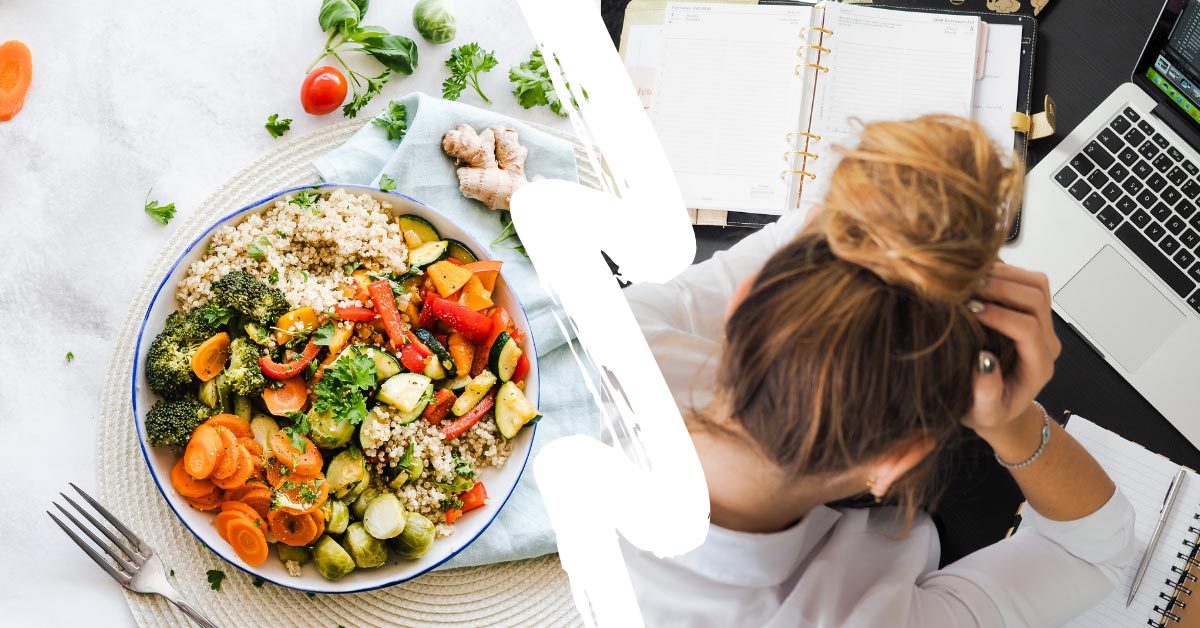
Working 9 AM to 9 PM, surviving on coffee, grabbing random snacks, and barely moving throughout the day? You’re not alone. This routine has become common in modern work culture — especially for office professionals, remote workers, and entrepreneurs.
However, a sedentary lifestyle combined with irregular eating habits and excessive caffeine can slowly harm your health. Long sitting hours, low daily step count, poor nutrition, and lack of sleep may lead to:
- Slow metabolism
- Weight gain
- Low energy levels
- Poor digestion
- Increased stress
- Back and neck pain
The good news? You don’t need extreme workouts, strict diets, or extra hours in your day. Small, practical changes can help you stay fit while working long hours.
If you’ve ever wondered, “I Work 9 To 9, Living On Snacks And Coffee With Zero Steps. How Do I Stay Fit And Eat Healthy?“, the answer isn’t waking up at 5 AM for a workout or following an unrealistic diet plan.
Let’s break it down step by step.
What’s Actually Going Wrong in Your Routine?
When you sit for 10–12 hours daily with minimal movement, your body shifts into energy-saving mode. Your metabolism slows down, fewer calories are burned, and muscle activity decreases.
At the same time:
- Snacking replaces balanced meals
- Coffee becomes your main energy source
- Water intake drops
- Sleep quality declines
Key Problems:
- Prolonged sitting reduces calorie burn
- Excess caffeine causes energy crashes
- Processed snacks increase sugar intake
- Zero steps weaken muscles and posture
- Stress builds up silently
Over time, this combination can increase the risk of obesity, insulin resistance, heart disease, and chronic fatigue.
The Real Problem With Office Snacks and Endless Coffee Refills
Many office workers rely on quick snacks and multiple cups of tea or coffee to stay productive during long work hours. The problem is that these convenient choices often provide short bursts of energy followed by fatigue, cravings, poor concentration, and afternoon sluggishness.
The good news is that you don’t need an extreme diet to feel better at work. Small changes to your daily snacks and drinks can help maintain steady energy levels, improve focus, and support long-term health.
| Common Office Snack or Drink | Why It Can Hurt Your Energy and Health | Smarter Indian Alternative |
|---|---|---|
| Cream biscuits or glucose biscuits with tea | Made with refined flour and added sugar, which can cause a quick energy boost followed by tiredness and cravings later in the day. | Roasted chana, makhana (fox nuts), or mixed seeds |
| 4–5 cups of sweet tea or coffee daily | Excess sugar and caffeine may lead to energy crashes, disturbed sleep, and unnecessary calorie intake. | Unsweetened green tea, black coffee, or herbal tea (limit caffeine to 1–2 cups) |
| Instant noodles as a quick lunch | Usually high in sodium and low in protein and fibre, leaving you hungry again soon after eating. | Homemade poha, upma, vegetable oats, or khichdi |
| Vending machine chips during work breaks | Often contain unhealthy fats and excess salt that can contribute to bloating and low energy levels. | Roasted peanuts, almonds, walnuts, or trail mix |
| Packaged fruit juice | Many packaged juices contain large amounts of added sugar and very little fibre. | Whole fruits such as bananas, apples, oranges, or fresh nimbu paani |
| Canteen samosa or other deep-fried snacks | Fried foods can feel heavy, reduce alertness after lunch, and add unnecessary calories. | Boiled eggs, sprouts chaat, paneer cubes, or a paneer wrap |
| White bread sandwich with mayonnaise | Refined bread and processed spreads provide limited nutrition and may not keep you full for long. | Multigrain bread with peanut butter, eggs, paneer, or hummus |
| Sugary cold drinks or energy drinks | High sugar content can lead to short-lived energy spikes followed by fatigue. | Coconut water, buttermilk, or infused water with lemon and mint |
| Chocolate bars for an afternoon pick-me-up | Sugar-heavy snacks can increase cravings and reduce steady energy levels. | Dark chocolate in moderation or a handful of nuts and raisins |
| Skipping breakfast and relying on snacks later | Missing breakfast often leads to overeating and poor food choices during the day. | A balanced breakfast such as oats, eggs, idli, or vegetable paratha with curd |
Move More Without “Workout Pressure”
You do not need a 60-minute gym session daily. The goal is consistent movement, not intense workouts.
Easy Movement Habits:
- Stand every 30–45 minutes
- Walk for 2–5 minutes after long sitting
- Take stairs instead of elevators
- Walk during phone calls
- Stretch between tasks
Even light activity improves blood circulation, boosts metabolism, and reduces stiffness.
Ways to Stay Fit While Working Long Hours
Fitness is not about extra time — it’s about smarter habits.
1. Take Movement Breaks
Set a reminder to stand or move every 45 minutes. This simple habit reduces the negative impact of prolonged sitting.
2. Follow a Short Daily Workout
A 10–15 minute bodyweight workout is enough if done consistently.
Examples:
- Squats
- Push-ups (wall or desk)
- Plank hold
- Lunges
- Stretching
Short workouts improve muscle strength, posture, and calorie burn.
3. Choose Healthy Snacks
Replace junk food with nutrient-dense options.
Healthy snack ideas:
- Almonds or walnuts
- Roasted chana
- Fruit + peanut butter
- Greek yogurt
- Boiled eggs
Balanced snacks stabilize blood sugar and reduce cravings.
4. Stay Hydrated
Dehydration often feels like hunger. Drinking enough water helps:
- Improve focus
- Reduce fatigue
- Control unnecessary snacking
- Support metabolism
Keep a water bottle on your desk and refill it regularly.
5. Limit Coffee Intake
Coffee is not harmful in moderation, but overconsumption may disturb sleep and cause dependency.
Healthy coffee habits:
- Limit to 2–3 cups per day
- Avoid drinking on an empty stomach
- Replace one cup with green tea or herbal tea
- Avoid caffeine after 5 PM
Balanced caffeine intake supports energy without crashes.
6. Improve Your Daily Routine
Your routine determines your results.
Focus on:
- Consistent sleep schedule
- Balanced meals
- Short mental breaks
- Simple movement habits
Small daily actions create long-term transformation.
10-Minute Daily Fitness Routine (Busy Schedule Friendly)
Even the busiest person can spare 10 minutes.
Quick Routine:
- 20 squats
- 10 push-ups (wall or desk)
- 30-second plank
- 10 lunges each leg
- Neck, shoulder, and back stretches
This improves strength, posture, flexibility, and metabolism.
Consistency matters more than intensity.
Fix Your Diet Without Complicated Plans
You don’t need strict dieting. You need balance.
Focus on three essentials:
- Protein
- Fiber
- Healthy fats
Simple Meal Examples:
Breakfast → Eggs + toast + fruit
Lunch → Rice/roti + dal + vegetables
Snack → Nuts + fruit + yogurt
Dinner → Light meal with protein (paneer, tofu, chicken, dal)
Balanced meals reduce cravings and improve sustained energy.
Smart Snack Swaps
Your snack choice determines your energy.
Replace This → With This:
Chips → Roasted chana or peanuts
Biscuits → Fruit + yogurt
Sugary drinks → Lemon water or coconut water
Chocolate bars → Dark chocolate (small portion)
Healthy swaps reduce processed sugar intake and support weight management.
Increase Steps Without Extra Time
You do not need a dedicated walking session. Add movement into daily tasks.
Easy Ways to Add Steps:
- Walk while attending phone meetings
- Keep your water bottle away from your desk
- Take walking breaks between tasks
- Park slightly farther away
- Use stairs whenever possible
Even these micro-habits can add 3,000–5,000 extra steps daily.
Improve Sleep and Reduce Stress
Sleep is the foundation of fitness. Poor sleep disrupts hormones that control hunger and metabolism.
Simple Fixes:
- Sleep 6–7 hours minimum
- Avoid screens 30 minutes before bed
- Reduce caffeine in evening
- Practice deep breathing before sleep
Better sleep improves fat loss, energy, and focus.
=Build Systems, Not Motivation
Motivation fades. Systems stay.
Instead of relying on willpower:
- Keep healthy snacks visible
- Remove junk food from your environment
- Set movement reminders
- Keep workout clothes ready
- Keep water accessible
When your environment supports your goals, healthy habits become automatic.
Health Risks of a Sedentary Lifestyle
A desk-bound lifestyle can silently damage your health over time.
Common Health Risks:
- Weight gain
- Slow metabolism
- Back and neck pain
- Poor posture
- Low energy levels
- High stress
- Increased risk of heart disease
- Higher diabetes risk
Movement is not optional — it is essential for long-term health.
Conclusion
Working 9 to 9 does not mean sacrificing your health. You don’t need drastic changes or complicated diet plans. Staying fit while working long hours is about consistent small habits:
- Move regularly
- Eat balanced meals
- Reduce junk snacking
- Control caffeine intake
- Improve sleep
Even 10 minutes of exercise daily, smarter food choices, and small increases in movement can dramatically improve your physical and mental well-being.
Start small. Stay consistent. Your body will thank you.
FAQs
Can I stay fit without going to the gym?
Yes. Daily movement and short bodyweight workouts are enough if done consistently.
What is the minimum I should do daily?
At least 10 minutes of exercise and regular movement breaks.
How do I stop unhealthy snacking?
Eat balanced meals and keep healthy snacks nearby.
Is coffee harmful?
Not in moderation. 2–3 cups daily is generally safe.
How many steps should I aim for?
Start with 4,000–6,000 and gradually increase to 8,000+.
What should I eat during busy workdays?
Simple meals with protein, fiber, and healthy fats.
Can I lose weight with this lifestyle?
Yes, by improving diet and adding consistent daily movement.
What is the biggest mistake in a sedentary routine?
Sitting continuously without movement breaks.
Is a 10-minute workout effective?
Yes. Short, consistent workouts improve strength and metabolism.
How important is sleep?
Very important. Poor sleep affects hunger hormones, energy, and weight control.