

Introduction
Kialodenzydaisis Healing is a term that has recently gained attention in holistic wellness communities. Although the name sounds complex, it is commonly associated with energy balance, emotional healing, spiritual alignment, and mind-body wellness. Many people encounter this phrase online and wonder what it truly means.
This guide explains Kialodenzydaisis Healing in simple, clear language. We will explore its meaning, possible origins, core principles, associated practices, potential benefits, and how to approach it responsibly. Whether you are new to alternative healing methods or already interested in holistic health practices, this article will help you understand the concept thoroughly.
What Is Kialodenzydaisis Healing?
Kialodenzydaisis Healing refers to a holistic healing approach that focuses on balancing the mind, body, and spirit. Rather than concentrating only on physical symptoms, it emphasizes emotional wellness, mental clarity, and spiritual growth.
In this context, healing goes beyond curing illness. It involves:
- Restoring energy flow
- Releasing emotional blockages
- Enhancing spiritual awareness
- Supporting overall well-being
Although the term itself is not officially recognized in medical science, it is often linked with broader concepts such as:
- Energy healing
- Spiritual wellness practices
- Holistic therapy
- Mind-body connection
- Personal transformation
Origins and Background of the Concept
The word “Kialodenzydaisis” does not have a documented historical origin. However, many believe the idea draws inspiration from ancient healing traditions and modern spiritual movements.
Possible influences include:
- Traditional Chinese Medicine (TCM) – which focuses on qi (life energy) and energy meridians
- Ayurveda – the Indian system of balancing bodily energies (doshas)
- Reiki healing – an energy-based therapeutic practice
- Shamanic traditions – involving spiritual rituals and energetic alignment
In modern wellness culture, new terms sometimes emerge to describe blended healing philosophies. Kialodenzydaisis Healing appears to represent a fusion of ancient wisdom and contemporary self-care practices.
Understanding the Meaning Behind the Term
At its core, Kialodenzydaisis Healing symbolizes:
- Conscious living
- Energy awareness
- Emotional release
- Spiritual balance
- Holistic self-care
Supporters believe that human beings are energetic systems. When this energy becomes blocked or unbalanced, it may contribute to:
- Stress
- Fatigue
- Emotional instability
- Mental confusion
The purpose of healing, in this framework, is to restore energetic harmony and promote inner alignment.
Core Principles of Kialodenzydaisis Healing
Several key themes are commonly associated with this concept.
1. Energy Balance and Flow
A foundational idea is that life energy flows through the body. When this flow is smooth, individuals experience vitality and clarity. When blocked, it may lead to emotional or physical discomfort.
Practices aim to:
- Clear energetic blockages
- Restore natural balance
- Improve vitality
- Support stress reduction
This aligns with broader energy healing principles found in Reiki, acupuncture, and chakra healing.
2. Mind-Body Connection
Kialodenzydaisis Healing emphasizes the deep relationship between mental and physical health.
For example:
- Chronic stress may impact immunity.
- Negative thought patterns may influence physical tension.
- Emotional trauma can manifest physically.
By addressing mental and emotional well-being, practitioners believe physical wellness may also improve.
3. Holistic Wellness Approach
Rather than isolating one issue, this philosophy treats the individual as a whole system. It integrates:
- Physical health
- Emotional stability
- Mental clarity
- Spiritual awareness
Holistic healing focuses on identifying root causes rather than simply managing symptoms.
4. Spiritual Alignment
Spiritual alignment does not necessarily refer to religion. Instead, it involves:
- Inner peace
- Purpose awareness
- Connection to personal values
- Harmony with nature or universal energy
Many believe spiritual balance enhances emotional resilience and physical vitality.
Practices Commonly Associated with Kialodenzydaisis Healing
While there is no single defined method, several practices are often connected with this philosophy.
1. Energy Healing Techniques
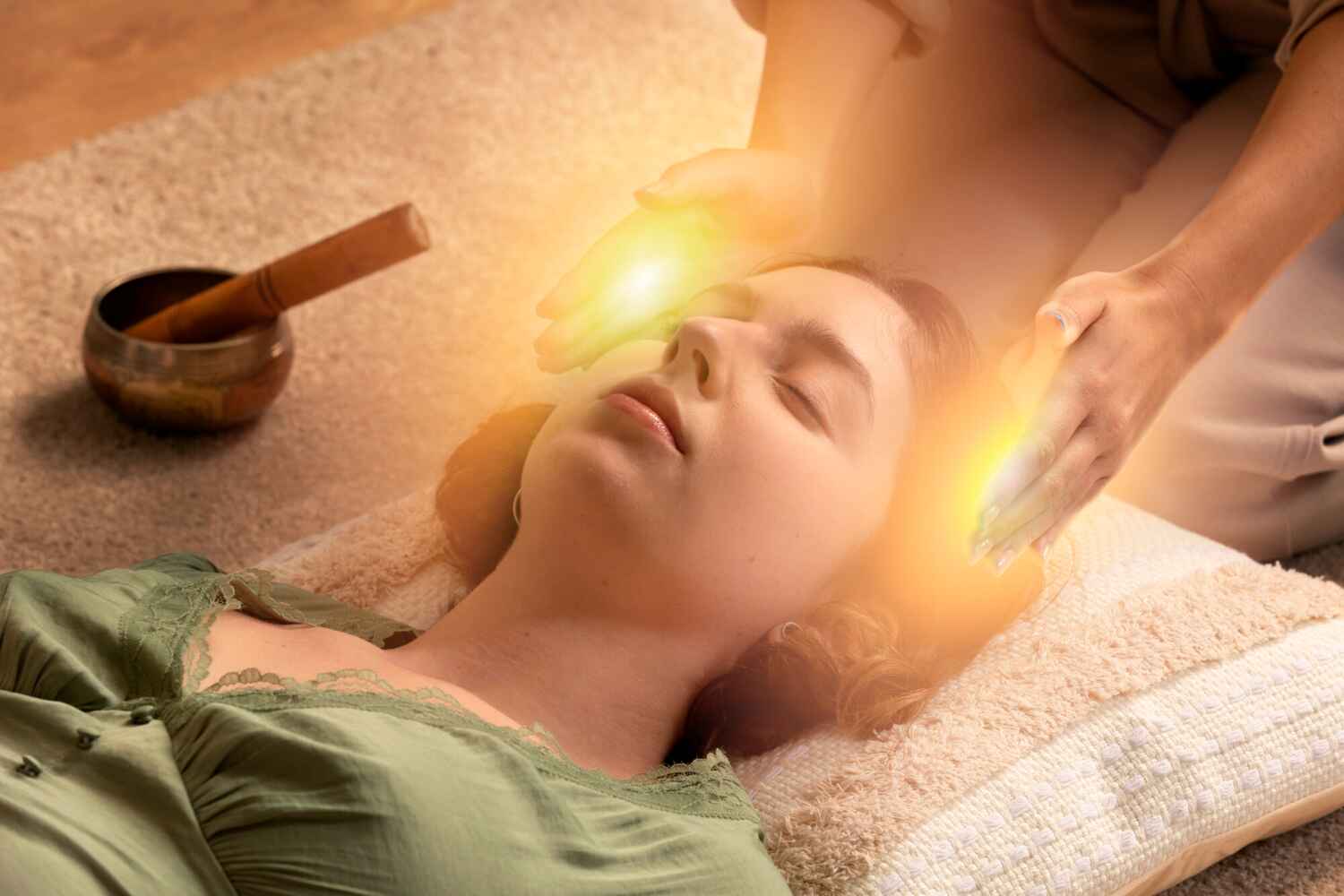
Energy-based therapies aim to rebalance the body’s energetic field.
Examples include:
- Reiki
- Qi Gong
- Chakra alignment
- Acupuncture
These practices focus on improving energy circulation and promoting relaxation.
2. Meditation and Mindfulness
Meditation plays a central role in many holistic healing systems. It helps:
- Reduce stress
- Increase mental clarity
- Improve emotional regulation
- Encourage self-awareness
Mindfulness practices bring attention to the present moment, which can calm the nervous system and enhance emotional stability.
3. Breathwork and Controlled Breathing
Breathing techniques such as:
- Pranayama
- Deep diaphragmatic breathing
- Rhythmic breathing exercises
are believed to regulate energy flow, lower anxiety levels, and improve oxygen circulation.
4. Sound Healing
Sound therapy uses vibrations from instruments like:
- Singing bowls
- Gongs
- Tuning forks
These sound frequencies are thought to influence energy patterns within the body and promote relaxation.
Potential Benefits Associated with Kialodenzydaisis Healing
While scientific evidence may be limited, people who engage in similar holistic practices often report:
- Reduced stress and anxiety
- Improved emotional balance
- Greater mental clarity
- Increased relaxation
- Enhanced spiritual awareness
- Better sleep quality
It is important to note that these benefits vary from person to person.
Why People Are Attracted to Concepts Like This
Modern life is often fast-paced and stressful. Many individuals seek alternative wellness approaches for deeper healing and self-empowerment.
Common reasons include:
Desire for Personal Empowerment
People want active roles in managing their own health.
Interest in Holistic Health
There is growing interest in treating root causes rather than symptoms.
Spiritual Exploration
Some individuals seek greater meaning, purpose, or connection.
Stress Management
Meditation and breathing techniques offer natural stress-relief tools.
How to Approach Kialodenzydaisis Healing Responsibly
While exploring holistic wellness can be beneficial, it is important to remain balanced and informed.
1. Conduct Thorough Research
Understand:
- The principles
- The methods
- The potential limitations
Use credible sources whenever possible.
2. Consult a Healthcare Professional
If you have:
- Chronic illness
- Mental health conditions
- Ongoing medical treatment
Always consult a qualified medical professional before starting new wellness practices.
3. Use It as Complementary Care
Holistic healing should complement — not replace — evidence-based medical treatment.
Integrative medicine combines both traditional healthcare and alternative wellness safely.
4. Pay Attention to Your Body
If a practice causes discomfort or distress, stop immediately and seek professional advice.
Listening to your body is essential for safe self-care.
Conclusion
Kialodenzydaisis Healing represents a modern holistic wellness concept focused on energy balance, emotional well-being, and spiritual alignment. Although not formally recognized within scientific medicine, it reflects broader principles found in established alternative healing systems such as Reiki, Ayurveda, meditation, and breathwork.
For individuals seeking a more integrated approach to health, this philosophy may offer valuable stress management tools and opportunities for personal growth. However, it should always be approached thoughtfully and used alongside professional medical care when necessary.
True well-being comes from balance — combining physical health, emotional clarity, mental stability, and spiritual awareness in a responsible and informed way.
=FAQs
What is Kialodenzydaisis Healing?
It is a holistic wellness concept focused on balancing mind, body, and spiritual energy.
Is it scientifically proven?
There is currently no strong scientific research specifically validating the term.
How does it work?
It emphasizes energy balance, meditation, breathwork, and emotional healing practices.
Can it cure diseases?
No. It is not a substitute for medical treatment.
Is it safe?
Generally safe when practiced responsibly, but medical consultation is recommended.
Who can try it?
Anyone interested in holistic health and personal development may explore it.
Can beginners practice at home?
Yes. Meditation and breathing exercises can be safely practiced at home.
Does it require a professional?
Not necessarily, though guidance can be helpful.
Is it religious?
No. It is usually presented as spiritual rather than religious.
Can it reduce stress?
Many associated practices are known to support relaxation and stress reduction.
Should it replace medical care?
No. It should only complement conventional healthcare.
Read More Blog : timeshealthmag.com